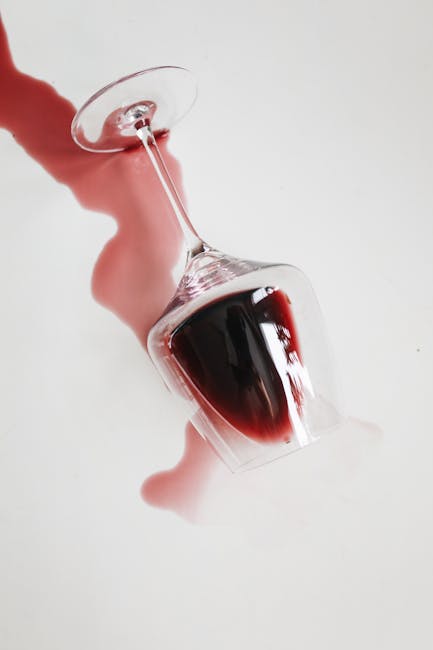
Urgent red wine stain removal Chelsea same day cleaning

If you have just spilled red wine on a carpet, sofa, rug, curtain, or upholstered chair in Chelsea, the clock starts ticking immediately. The first few minutes matter a lot. That is exactly where Urgent red wine stain removal Chelsea same day cleaning becomes more than a convenience; it becomes the difference between a surface that can often be restored and a stain that settles in and starts to feel permanent.
Whether the spill happened at a dinner party in SW3, during a quiet night in, or while you were rushing to clear glasses before guests arrived, the response needs to be calm, fast, and practical. This guide walks you through what same day stain cleaning involves, why it matters, what to do straight away, and how to decide when a professional service is the sensible move. Truth be told, a red wine spill can look worse by the second, but that does not always mean the situation is hopeless.
Below, you will find plain-English advice, realistic steps, and a few expert pointers that help you avoid the classic mistakes people make in a panic. Let's get into it.
Why Urgent red wine stain removal Chelsea same day cleaning Matters
Red wine is a stubborn spill because it combines colour pigments, tannins, and moisture. On absorbent materials, that mix can sink quickly into fibres and backing layers. Once that happens, the mark is no longer just on the surface. It starts to travel, and sometimes it spreads further than the original spill. Not ideal, obviously.
In homes and commercial spaces across Chelsea, speed matters for another reason too: the room still needs to be lived in. A living room rug, a dining chair, a hotel sofa, or a rental property carpet cannot always wait until "later in the week." Same day stain treatment helps reduce the risk of permanent damage, odour, and colour transfer to other items.
There is also a practical side to this. A stain left untreated can attract repeated cleaning attempts from different products, and those experiments sometimes make the finish worse. We have all seen the classic panic moment where someone reaches for whatever is under the sink. Usually not the best move. Fast, controlled treatment is simply safer for the fabric and easier on your nerves.
For landlords, hosts, and busy households, a quick response can also protect the overall appearance of the property. If a spill happens just before a viewing, check-out, or guest arrival, then immediate action can make the difference between a minor interruption and a genuine headache.
How Urgent red wine stain removal Chelsea same day cleaning Works
Same day stain removal is usually a combination of assessment, pre-treatment, controlled extraction, and finishing. The exact method depends on the surface, the age of the stain, and whether the material is natural fibre, synthetic fibre, or upholstery fabric.
Here is the basic flow most professional cleaners will follow:
- Identify the material. Wool carpet, cotton upholstery, synthetic rug, velvet curtain, and mixed-fibre sofa covers all behave differently.
- Check the spill size and depth. A small splash on the surface is not the same as a soaked patch that has reached the underlay.
- Test a safe treatment spot. This is especially important on delicate fabrics and coloured materials.
- Pre-treat the stain. Professional solutions are chosen to loosen the wine pigments without damaging the fibres.
- Lift and extract. Controlled blotting, extraction, or targeted cleaning removes the stain and liquid residue.
- Rinse and neutralise. This helps avoid sticky residue that can attract dirt later.
- Dry and inspect. The final check matters because some stains lighten as the fabric dries.
If you are dealing with upholstery or a delicate rug, the process needs even more care. A fast result is great, but not if the method leaves a watermark or distorts the pile. That is why same day does not mean rushed. It means responsive, organised, and appropriate to the fabric.
In many Chelsea properties, the challenge is not just the stain itself; it is the setting. Tight access, stairs, mixed materials, and lightly coloured interiors all make precision important. A cleaner who knows what they are doing will work in stages rather than blasting the area with a one-size-fits-all approach. Sensible, really.
Key Benefits and Practical Advantages
The obvious benefit is stain reduction, but there is more to it than that. Urgent treatment protects appearance, saves time, and often reduces the need for replacement. A decent wool rug or well-made sofa is worth preserving if possible.
- Better chance of full stain removal: Fresh red wine is easier to treat than dried-in pigment.
- Less fibre damage: Fast, proper cleaning is usually kinder than aggressive scrubbing.
- Reduced odour and residue: Wine left behind can create a dull patch or faint smell over time.
- Lower stress: You do not have to keep staring at the stain and wondering if it is getting worse.
- More suitable for busy schedules: Same day support is useful when guests, tenants, or clients are involved.
- Protects presentation: Especially useful for rental properties, receptions, and homes where first impressions matter.
There is also a subtle benefit people often overlook: a professional approach gives you a clearer idea of what is realistic. Some stains will come out completely, some will improve a great deal, and some may only partially fade if the fabric is particularly delicate. Honest expectations are helpful. No drama, no promises that sound a bit too shiny.
When the job is handled well, you end up with a cleaner, better-looking finish and a much lower risk of accidental damage. That is the practical win.
Who This Is For and When It Makes Sense
Urgent red wine stain removal is not only for emergencies. It makes sense any time the stain is fresh, visible, or likely to affect the way a room looks and feels. In Chelsea, that often includes a fairly wide group of people and situations.
You may need same day cleaning if you are:
- a homeowner dealing with a spill on a carpet, rug, or sofa after dinner;
- a tenant trying to avoid a larger cleaning bill later;
- a landlord preparing a property between occupancies;
- a host managing a short-let changeover;
- a business owner with a waiting area, office lounge, or client-facing space;
- someone with delicate furnishings who does not want to risk a DIY mistake.
It also makes sense when the stain is on a high-value or sentimental item. Maybe it is an antique armchair from a relative, a rug you bought in a market years ago, or curtains that fit the room perfectly and are awkward to replace. In those cases, the value is not just financial. You feel it.
Same day cleaning is especially sensible when the spill is still damp, when the fabric is light-coloured, or when you have already tried one unsuccessful home remedy. That last bit happens often. People mean well, of course. Then the stain edges spread, and the original neat spot becomes a bigger halo. A bit annoying, to be fair.
Step-by-Step Guidance
If red wine lands on a surface, the first few actions matter more than the next ten. Here is a sensible step-by-step approach while you decide whether to clean it yourself or bring in help.
1. Act immediately
Use a clean white cloth or paper towel to blot gently. Do not rub. Rubbing pushes liquid deeper and can spread the dye across the fibres. A calm blotting motion is better, even if the stain looks dramatic at first glance.
2. Absorb excess liquid
Keep blotting with a dry part of the cloth until little more comes up. If the spill is fresh on carpet, lightly lifting the moisture early can reduce the amount that soaks into the backing. You are trying to remove liquid, not polish the stain into the weave.
3. Avoid random chemicals
Before reaching for a bottle under the sink, pause. Some household products can bleach colour, leave residues, or react badly with delicate fibres. That includes using too much of anything, which sounds obvious but is surprisingly easy to do in a rush.
4. Check the fabric type
Carpet, wool, cotton, velvet, silk blends, and synthetic upholstery all respond differently. If you are unsure, treat it as delicate. That is the safe assumption.
5. Use a suitable stain treatment method
For some surfaces, a gentle fabric-safe solution may be enough. For others, specialist stain removal and extraction are the better route. A professional cleaner will usually choose the least aggressive option that still gives a strong result.
6. Rinse properly
Residue left behind can attract dirt and leave a sticky or dull patch later. Clean removal includes a careful rinse or extraction stage, not just making the stain look lighter.
7. Dry with airflow, not heat
Good airflow helps the area dry evenly. Strong heat can set some marks or affect fibres. A fan or open window is usually more sensible than a hairdryer held too close. We have all improvised in a crisis, but this is one of those times where restraint helps.
8. Inspect once dry
Some stains look faint while damp and reappear slightly as the material dries. A final inspection tells the real story. If a shadow remains, a second targeted treatment may be needed.
Expert Tips for Better Results
Here is the part people often skip, then regret later. Small choices make a big difference with wine stains.
- Blot from the outside in. This keeps the stain from growing outward.
- Use plain white cloths. Coloured towels can transfer dye, which is the last thing you need.
- Test treatments first. Even mild products can affect colourfastness.
- Keep the area slightly damp, not soaked. Over-wetting can spread the stain or damage underlayers.
- Work in sections on larger spots. Controlled cleaning is better than attacking the whole patch at once.
- Lift, do not grind. Gentle pressure is usually enough for fresh spills.
- Use extraction on carpets where appropriate. It helps remove the stain and the cleaning solution.
One practical insight: if the spill happened on a patterned rug, check how the colours interact before trying anything. Some designs hide a stain surprisingly well while wet, then reveal it later. That can trick people into stopping too soon. Better to finish the job properly the first time.
Another small but useful point: red wine stains can look different depending on the lighting. Natural daylight, warm indoor bulbs, and evening shadows all show a mark differently. If you are assessing the result after cleaning, look at it in more than one light. Slightly old-school advice, but it works.
Common Mistakes to Avoid
Let's face it, most stain damage comes from panic, not malice. Here are the errors that cause the most trouble.
- Rubbing the stain. This is the big one. Rubbing spreads pigment and can rough up fibres.
- Using too much water. Over-wetting can drive the stain deeper into the material.
- Mixing products. Combining cleaners is risky and often unnecessary.
- Using hot water too early. Heat can set certain stains and make them harder to shift.
- Ignoring the backing or underlay. Surface improvement does not always mean the stain is gone underneath.
- Scrubbing delicate upholstery. Velvet and some woven fabrics need a lighter touch.
- Leaving it to dry and hoping for the best. Hope is lovely. Not a stain removal plan, though.
If you have already made one of these mistakes, do not panic. It does not automatically mean the item is ruined. It just means the treatment needs to be more careful from here on. That is exactly when a professional eye is useful.
Tools, Resources and Recommendations
For fast stain response, the right tools matter more than a cupboard full of mystery products. A sensible home kit and a reliable cleaning service can save a lot of bother.
| Tool or resource | Best use | Why it helps |
|---|---|---|
| White absorbent cloths | Fresh spills on carpets and upholstery | Lets you blot without transferring dye |
| Handheld upholstery attachment | Controlled extraction on fabric surfaces | Removes moisture and residue more evenly |
| Gentle fabric-safe stain treatment | Pre-treatment on suitable materials | Helps loosen wine pigments before extraction |
| Dry towels and airflow | After cleaning | Supports even drying and reduces lingering dampness |
| Professional stain removal service | Delicate, large, or time-sensitive stains | Improves results while reducing risk of damage |
If the stain is on carpet, related services such as carpet cleaning, steam carpet cleaning, and stain removal may be relevant depending on the fabric and how far the spill spread. For upholstered seating, upholstery cleaning or sofa cleaning can be the better fit.
If the spill is mixed with food residue, pet activity, or an older odour issue, a broader service such as deep cleaning may be more practical. And if you are comparing general home maintenance support, one-off cleaning can be useful for the wider property once the urgent issue is handled.
For anyone wanting a wider picture of available cleaning support, the main blog and service pages can help you decide what suits your situation without overcomplicating things.
Law, Compliance, Standards, or Best Practice
For most homeowners, the main concern is not a specific law; it is safe practice. Still, there are sensible standards to keep in mind when cleaning stains in homes, rentals, or business premises in London.
Professionals should follow reasonable care standards for chemicals, equipment use, and surface testing. That means checking fabric compatibility, applying suitable dilution, and working in a way that avoids damage. In commercial or managed properties, cleaning should also respect health and safety expectations, especially where staff, guests, or visitors may walk through the area while work is taking place.
For landlords, hosts, and business operators, it is also wise to keep records of any significant cleaning work related to an incident, particularly if it affects a tenancy handover, guest stay, or insurance discussion. Nothing fancy. Just a clear note of what happened, when it was treated, and what condition the surface was in afterwards.
At a service-provider level, good practice usually includes:
- clear communication before work begins;
- careful assessment of the material and stain type;
- appropriate handling of cleaning agents;
- attention to drying and ventilation;
- transparent pricing and realistic expectations.
If you want to understand how a company handles trust and process more generally, you can review pages such as insurance and safety, health and safety policy, payment and security, and terms and conditions. Those pages are useful when you are deciding who to let into your home or business, and to be fair, that matters.
Options, Methods, or Comparison Table
Not every stain needs the same response. The right choice depends on how fresh the spill is, what the item is made from, and how important a perfect finish is. Here is a straightforward comparison.
| Method | Best for | Pros | Limitations |
|---|---|---|---|
| Immediate blotting at home | Very fresh spills | Fast, simple, no equipment needed | Limited effect if the stain has already set |
| Gentle spot treatment | Small stains on suitable fabrics | Can improve appearance quickly | Risky on delicate or colour-sensitive materials |
| Professional same day cleaning | Urgent, visible, or delicate stains | Safer method selection, better finish, less guesswork | May cost more than DIY, depending on the job |
| Full carpet or upholstery cleaning | Large affected areas or older marks | Improves the whole area, not just the spot | May be more than you need for a small isolated spill |
For many Chelsea homes, the sweet spot is professional urgent stain treatment first, followed by a broader clean only if needed. That keeps disruption low and avoids paying for more work than the surface actually needs.
If the spill happened on a rug rather than the carpet beneath, consider rug cleaning. If it landed on soft furnishings, sofa cleaning or upholstery cleaning is usually the better direction. Different materials, different rules. Simple enough, but easy to miss when you are stressed.
Case Study or Real-World Example
Picture a dinner in Chelsea on a Friday evening. A glass tips over near the sofa, and red wine lands on a pale upholstered seat and part of the rug. The room is warm, the lights are soft, and the stain looks worse every time someone glances at it. Everyone goes a bit quiet. That familiar sinking feeling.
The first step is blotting, not scrubbing. After that, the fabric type needs checking. If the upholstery is delicate, a cautious spot treatment is safer than trying to force the stain out with stronger cleaner. In a real same day response, the cleaner would likely separate the treatment into two areas: the sofa fabric and the rug fibres. The rug may tolerate a different solution than the seating does.
In this kind of situation, the useful result is not just "stain lighter." It is a visible recovery that leaves the room usable again without obvious rings, sticky residue, or over-wetting. That matters when guests are still in the house, or when a property needs to look presentable by morning.
Another common example is a short-let changeover. A guest drops wine on a carpet shortly before checkout. The host does not want to alarm anyone, but they do need a practical fix before the next arrival. A same day call helps protect the property's presentation and keeps the issue from rolling into the next booking. Quietly efficient. That is the goal.
Practical Checklist
Use this quick checklist if you are dealing with a fresh spill and need to decide what to do next.
- Blot the spill immediately with a clean white cloth.
- Do not rub, scrub, or use heat.
- Check whether the stain is on carpet, rug, sofa, curtain, or chair.
- Avoid mixing household cleaners.
- Consider whether the fabric is delicate, light-coloured, or expensive.
- Assess if the stain has soaked through to the backing or cushion.
- If the area is large or the item is valuable, arrange professional help.
- Keep the space ventilated while waiting for cleaning.
- Inspect the result once the surface is dry.
- Note any remaining shadow or odour for follow-up treatment.
If you are still unsure after the first minute or two, that is usually a good sign to stop and reassess rather than keep experimenting. A small pause can save a lot of trouble.
For related concerns such as accidental odour, pet contamination, or mixed stains, pages like pet stain odour removal, mattress cleaning, and curtain cleaning may also be useful, depending on where the spill ended up.
Conclusion
Urgent red wine stain removal in Chelsea is all about timing, material awareness, and choosing the least risky path that still gets the job done. Fresh spills are far easier to manage than dried marks, but only if you respond carefully. Blot first. Avoid panic chemicals. Treat the fabric properly. And if the stain is on something valuable, delicate, or simply too important to guess at, same day professional cleaning is often the smartest call.
In a neighbourhood where homes, rentals, and client-facing spaces all need to look their best, quick action protects both the item and your peace of mind. That alone is worth a lot on a busy day.
Get a free quote today and see how much you can save.
And if the spill has happened already, take a breath. A wine stain is frustrating, yes, but with the right response it does not have to become the memory that ruins the evening.
Frequently Asked Questions
Can red wine stains be removed the same day?
Often, yes. Fresh red wine stains are usually much easier to treat the same day because the pigment has not had as long to bond with the fibres. The final result depends on the material, the spill size, and whether any rubbing or over-wetting happened first.
What should I do first if red wine spills on my carpet?
Blot the area immediately with a clean white cloth or paper towel. Do not rub. Keep blotting until little more liquid comes up, then avoid adding random cleaning products until you know the carpet type.
Is it safe to use salt on a red wine stain?
Salt is a common home remedy, but it is not always the best choice. It can sometimes help absorb moisture on some surfaces, but it may also leave residue or interfere with later cleaning. For delicate fabrics, it is better to be cautious.
Will hot water remove red wine faster?
Not necessarily. Hot water can set some stains or make them harder to remove, especially on absorbent materials. A cooler, controlled approach is usually safer until the fabric type is confirmed.
Can a red wine stain damage upholstery permanently?
It can, especially if it is left too long or treated with the wrong product. Delicate upholstery, light-coloured fabrics, and natural fibres need careful handling. The sooner the stain is treated properly, the better the chance of a good result.
How long does same day stain cleaning usually take?
It depends on the size of the stain, the type of surface, and whether drying time is needed. A small fresh spot may be dealt with quickly, while deeper or more delicate treatments take longer. The cleaning itself is only part of the job; drying and inspection matter too.
Can I clean red wine from a sofa myself?
For a very small fresh mark on a suitable fabric, maybe. But if the sofa is delicate, expensive, or light in colour, professional treatment is usually safer. DIY attempts can spread the stain or damage the finish.
What if the stain has already dried?
Dried stains are harder, but not impossible. They often need more careful pre-treatment and extraction. The result may not be as quick or complete as with a fresh spill, but a significant improvement is often still possible.
Does same day cleaning work on rugs as well as carpets?
Yes, though rugs can be trickier because of the backing, dyes, and edge construction. Some rugs tolerate cleaning well, while others need gentler handling. The specific fibre and weave make a big difference.
How do I know if the stain has soaked through to the underlay?
If the area feels damp for a long time, looks larger underneath than it does on the surface, or has a lingering smell, the spill may have reached deeper layers. In that case, surface cleaning alone may not be enough.
Is professional stain removal worth it for a small spill?
Often, yes, if the item is valuable, the fabric is delicate, or the room needs to look right quickly. A small stain on a high-quality sofa or rug can be more important than a larger mark on a hardier surface.
Can repeated DIY cleaning make the problem worse?
Absolutely. Too much scrubbing, too much water, or the wrong chemicals can spread the stain and leave a watermark or residue. Sometimes the smartest step is to stop, dry the area lightly, and let someone with the right tools take over.
What cleaning services are relevant besides stain removal?
Depending on the item, related services may include carpet cleaning, upholstery cleaning, sofa cleaning, rug cleaning, or deep cleaning. Choosing the right service depends on where the spill happened and how far it spread.